
How Often Does a Septic Tank Need Cleaning?
The 3 to 5 year window isn't a guess, it's what tank size and household size actually produce over time. A small household with a large tank might stretch past 5 years. A big family running a small tank could need septic pumping service closer to every 2 years. If you've never had it checked and you're not sure which end of that range applies to your Downey home, a technician can measure the sludge layer and tell you exactly where you stand rather than guessing. Garbage disposals speed things up, since they add solids to the tank faster than a household without one, a factor worth reviewing on our septic pumping service overview. Same with running several loads of laundry back to back, or hosting a big gathering that puts more people through the bathroom than usual for a week. If you're renting equipment for a home project in the meantime, a home renovation porta potty keeps crews off the household system entirely, which matters if the tank is already close to full. Think of pumping frequency as a moving number, not a fixed date on a calendar.
What Happens If You Wait Too Long?
Solids that aren't pumped out eventually move into the drain field, and that's the expensive failure. Once solids clog the leach lines, you're not looking at a simple pump job anymore, you're looking at drain field repair or replacement, which costs far more than staying on schedule ever would, and it's a bigger bill than any septic tank pumping cost quote for routine service. Slow drains, gurgling pipes and standing water near the tank are early signs worth checking against our septic tank warning signs page before they turn into a weekend emergency. If a backup does happen on a Friday night, emergency septic service is the faster path than waiting for a Monday appointment. Homes near Downey that share property lines with commercial kitchens should also know that grease interceptors follow a different rule entirely: those get pumped once fats, oils, grease and solids reach 25 percent of the liquid depth, not on a fixed calendar. That's a separate maintenance track from a residential tank, and mixing up the two schedules is a common mistake. See grease trap pumping for that side of things.
Is Tank Size the Only Factor?
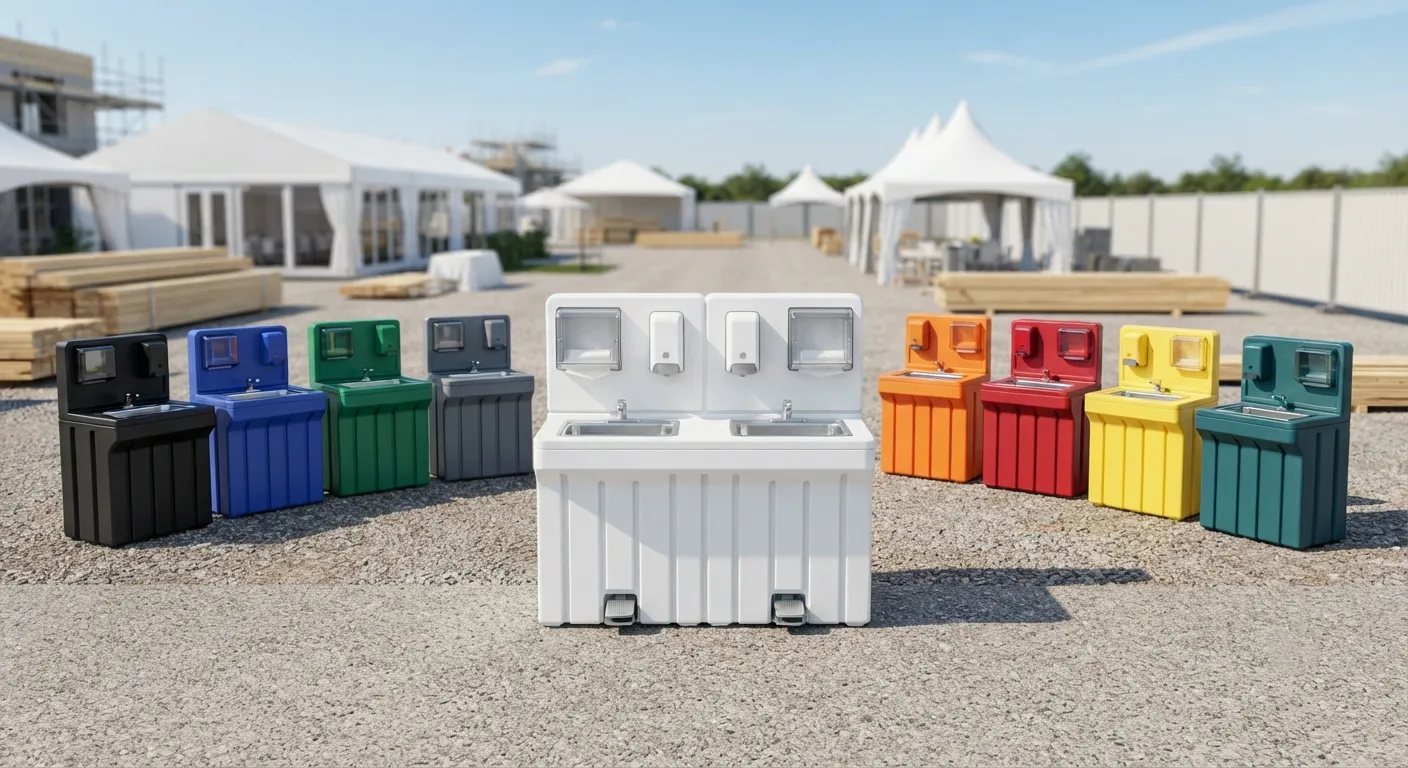
No. Tank size sets the ceiling, but household size, water use habits and what goes down the drain all move the actual number. Two identical 1,000 gallon tanks in Downey can need pumping at very different intervals if one house runs a garbage disposal daily and the other doesn't, similar to how a porta potty rental in Downey job needs a different service plan depending on crew size. Soil conditions and drain field age play a role too, since a stressed field pushes water back into the tank slower, which can mask a problem until it's bigger. If you're building an ADU or a guest unit and you're not sure how it affects your existing system's load, that's a conversation worth having before construction starts, not after, and it pairs well with a broader look at construction site services for the whole project. Renovation crews on that kind of project often keep a portable restroom rental or porta john rental on site anyway to keep extra bodies and extra flushes off the home system during the build. For the cost side of scheduling a pump-out, our septic tank pumping cost page breaks down what typically drives the price up or down.
Should You Pump on a Schedule or Wait for Symptoms?
Schedule it. Waiting for symptoms means you've already let solids get close to the drain field, and by the time you notice slow drains or odors, you're closer to a repair than a routine service call. A tech can check your tank on a set interval, same idea as how often are porta potties cleaned on a job site or how a porta potty rental checklist keeps a project on track, where a fixed schedule keeps you ahead of the problem instead of reacting to it. For reference, the portable sanitation industry standard under ANSI/PSAI Z4.3 sets a baseline service interval of once a week for units seeing regular use, which is a similar logic to septic pumping: consistent intervals beat waiting for a visible sign. If your household is growing, or you've added a bathroom, move up your check-in rather than sticking to whatever schedule worked five years ago.
| household size | typical tank size | typical pumping interval |
|---|---|---|
| 1-2 people | 750-1,000 gal | 4-5 years |
| 3-4 people | 1,000 gal | 3-4 years |
| 5-6 people | 1,000-1,250 gal | 2-3 years |
Downey homeowners dealing with a full renovation sometimes need short-term help beyond the septic side too. A holding tank rental can bridge a gap if your system is down for repair, and if you're clearing out a garage or yard during the same project, a roll-off dumpster rental or a look at dumpster sizes and dimensions is worth pairing with the septic work so you're not scheduling two separate visits. Homeowners near Bell Gardens, about 3.1 miles northwest of Downey, and Pico Rivera, 5.5 miles northeast, deal with similar tank ages and similar decisions on timing, and our service areas page covers the rest.
How do I know my tank size?
Check your property records or the county permit on file when the system was installed, the same way you'd check porta potty permit requirements before placing a unit. If you can't find it, a technician can measure it during a service visit. Tank size combined with household size is what actually sets your pumping interval, not a fixed date.
Can I extend the time between pumpings?
Yes, somewhat. Cutting back on garbage disposal use, spacing out laundry loads and fixing leaks all reduce solids and water load. But stretching past what your household size supports risks the drain field, and that repair costs more than staying on schedule.
Does a bigger household always mean more frequent pumping?
Generally yes, since more people means more solids and more water moving through the tank each week. A 1,000 gallon tank serving six people needs attention sooner than the same tank serving two, even with similar habits.
What's the difference between septic pumping and cleaning?
Pumping removes liquid and floating solids from the tank, a job distinct from how do porta potties work on the portable side of sanitation. Cleaning goes further, breaking up and removing sludge from the bottom. See septic tank cleaning for what a full service visit covers versus a standard pump-out.
Is there a way to know before symptoms show up?
A measured sludge check is the only reliable way, much like a porta potty placement guide helps you plan ahead instead of reacting on site. Waiting for gurgling pipes or slow drains means you're already past the ideal pumping window, and a scheduled check catches it before it turns into a bigger repair.
Next step
Get a delivery date
Tell us the address, the dates and the headcount. We size the order and confirm the route.